02.09.2026 – Only seven young flamingos remain at the Zwillbrocker Venn
Only seven juvenile flamingos currently remain at the Zwillbrocker Venn. The young flamingos are now approximately 10 to 15 weeks old and are all able to fly.
The first young flamingos have already left the area and are appearing at various locations across the Netherlands, just like the adult flamingos.
Adult flamingos also regularly return to the Zwillbrocker Venn. As a result, both the number of flamingos and the composition of the group can change almost every day.
The Zwillbrocker Venn is changing
To the average visitor, the Zwillbrocker Venn may currently look quite dry. Nevertheless, it is remarkable that there is still water present. For a raised bog area that normally becomes increasingly dry in September, this is particularly noteworthy.
The enormous amount of rainfall in 2023 has contributed to this, especially considering the high temperatures and windy conditions experienced this summer.
More than just flamingos
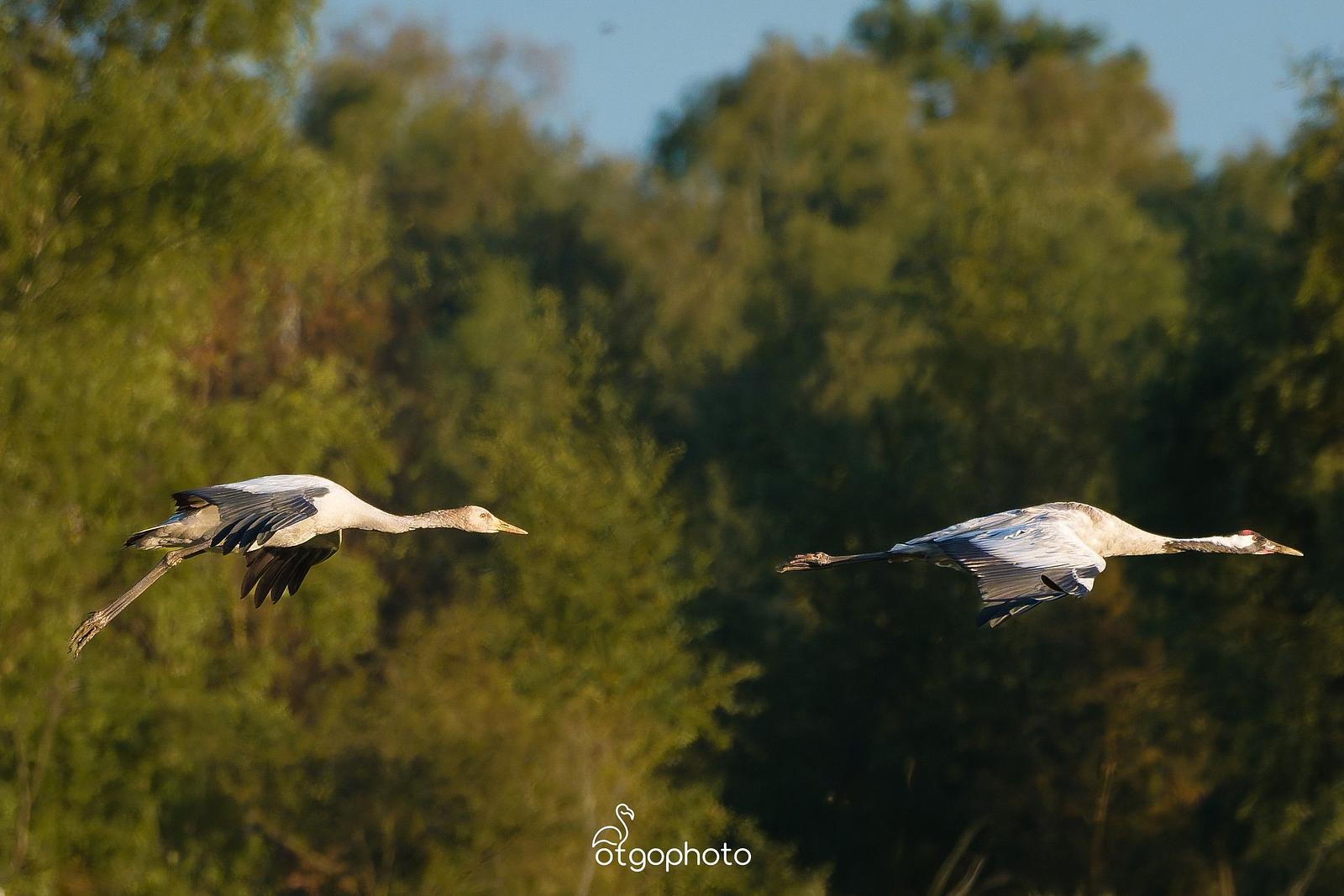
As parts of the wetland begin to dry out, other animals are taking advantage of the changing landscape. Lapwings, curlews, roe deer and cranes can be found here, using the area to find food and rest.
Cranes are also present in the area throughout the year and have their breeding season here.
The season of migrating birds is slowly beginning as well. Depending on the amount of rainfall in the coming weeks, the wetland may continue to dry out or gradually begin to fill with water again.
The local flora and fauna are constantly adapting to these changing conditions.
Every season is different
That is exactly what makes the Zwillbrocker Venn near the German-Dutch border so special. The landscape changes, the wildlife changes, and every season reveals a different side of this beautiful nature reserve.
One day you may see flamingos, while on another visit you might encounter cranes, roe deer or large groups of migrating birds.
With or without flamingos, the Zwillbrocker Venn is always beautiful.